


Capacitance/tan δ meter Repair Service
When insulation diagnostics become inconsistent or a test set starts producing unstable readings, maintenance decisions can quickly become harder to trust. In high-voltage testing and condition assessment, dependable measurement performance matters because even small errors in capacitance or dissipation factor results may affect how transformers, bushings, cables, and other assets are evaluated. This is where Capacitance/tan δ meter Repair Service plays an important role for maintenance teams, utilities, test laboratories, and industrial service providers.
A professional repair approach helps restore instrument reliability, improve measurement stability, and reduce the risk of false conclusions during electrical insulation testing. Whether the issue involves display problems, failed power-up, drifting results, damaged connectors, or general wear from field use, the goal is to bring the equipment back to dependable operating condition so it can support routine testing with confidence.
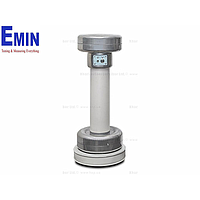
Why capacitance and tan delta meters need specialized repair
These instruments are used in applications where insulation condition assessment must be accurate, repeatable, and safe. A capacitance/tan δ meter typically operates as part of a broader diagnostic workflow to evaluate dielectric behavior, identify aging trends, and support preventive maintenance planning. Because of that role, repair work should focus not only on restoring basic functionality but also on preserving the integrity of the measurement path.
Compared with more general electrical test devices, this type of equipment may be exposed to demanding field conditions, transport shock, lead stress, connector wear, and long operating cycles. Over time, those factors can affect signal quality, user interface response, internal power sections, or communication between modules. A suitable repair service helps address these faults in a way that aligns with the instrument’s intended testing purpose.
Common issues seen in this type of test equipment
Capacitance and dissipation factor measurement systems can develop faults that are obvious, such as failure to boot, intermittent shutdown, broken terminals, or damaged accessories. In other cases, the problem is less visible and appears as unstable readings, slow response, abnormal zero behavior, or poor repeatability between tests. These symptoms can create uncertainty in maintenance reports even when the instrument still seems operational.
Repair service is especially valuable when the instrument has been used heavily in field diagnostics or has spent long periods in storage between projects. Electrical testers often degrade gradually rather than failing all at once, so inspection and troubleshooting are necessary to identify whether the issue is related to power supply sections, measurement circuitry, interface components, connection points, or environmental damage.
What a repair service typically aims to restore
The objective is not simply to make the unit turn on again. For this category of test equipment, repair work should support the recovery of measurement reliability, stable operation, and practical usability in real inspection environments. That includes the overall condition of the instrument body, input and output connections, controls, display behavior, and the internal functions that influence test consistency.
Depending on the condition of the device, service may involve fault diagnosis, replacement of worn or failed electronic parts, connector and interface repair, internal cleaning, and functional checks after corrective work. In many cases, users also need guidance on whether the repaired unit should proceed to calibration or broader verification before returning to field operation.
Who typically uses this service
This service is relevant to organizations that perform dielectric and insulation testing as part of asset maintenance or acceptance procedures. Typical users include utility maintenance teams, transformer service contractors, electrical testing companies, industrial plants, and technical service departments responsible for medium- and high-voltage equipment.
It is also useful for organizations that manage a mixed fleet of electrical diagnostic instruments. If a site relies on several testers for different procedures, repair planning often goes beyond one device category. For example, teams maintaining multiple electrical test instruments may also need support for withstand voltage test repair or low resistance meter service as part of the same maintenance workflow.
How to decide when repair is the right option
Repair is often worth considering when the instrument remains important to your testing process and the problem appears limited to identifiable functional faults rather than total obsolescence. If the tester has known value in your workflow, familiar operating procedures, and compatible accessories already in service, restoring the unit may be more practical than immediately replacing it.
Common triggers for service include abnormal readings compared with historical test behavior, physical damage after transport, failed self-check behavior, inconsistent user interface operation, or signs that the unit can no longer support repeatable testing. In these situations, a structured repair path can help determine whether the issue is repairable, whether additional verification is needed, and how quickly the unit can return to use.
Repair service within a broader electrical test equipment maintenance strategy
Capacitance/tan δ instruments are rarely used in isolation. They are often part of a larger maintenance ecosystem that includes insulation testing, continuity and resistance checks, dielectric verification, and fault location work. Because of that, repair decisions should fit into a wider reliability strategy for all critical test assets, especially when downtime affects field schedules or outage windows.
Organizations that routinely support cable and insulation diagnostics may also benefit from related services such as cable fault tester repair or insulating materials tester service. Looking at repair needs across multiple instrument types can help reduce unplanned downtime and keep testing programs better coordinated.
Points to prepare before sending a unit for service
Clear fault information helps speed up diagnosis. It is useful to record the symptoms, when the issue began, whether the problem is constant or intermittent, and what happens during startup or measurement. If the instrument shows unstable values only under certain conditions, that detail can be especially helpful for troubleshooting.
Users should also note any visible damage to connectors, leads, controls, or housing, along with previous service history if available. In a technical B2B environment, good service preparation can shorten turnaround time and improve communication between the equipment owner and the repair team.
Supporting dependable insulation testing again
A capacitance/tan δ meter is a decision-support tool, not just another handheld or bench instrument. When it starts to behave unpredictably, the impact can extend into maintenance planning, asset assessment, and test credibility. Choosing the right repair service helps restore practical usability while supporting the consistency required in insulation diagnostics.
If your test equipment is no longer delivering stable performance, a focused repair evaluation is often the best next step. With the right service path, it becomes easier to return the instrument to dependable operation and keep your electrical testing program moving with fewer interruptions.
-
-
-
-
-
-
-
-
-
-
-
-
-
-
-
-
-
-
-
-
-
-
-
-