


Electrical Tester Repair Service
When an electrical tester starts producing unstable readings, slow startup behavior, failed self-checks, or communication errors, the impact goes far beyond the instrument itself. In maintenance, commissioning, quality control, and field diagnostics, reliable test equipment is essential for safe decisions and repeatable results. That is why a professional Electrical Tester Repair Service matters for both operational continuity and measurement confidence.
This category covers repair support for a wide range of electrical testing instruments used in industrial plants, utilities, laboratories, service teams, and technical workshops. The scope includes equipment used for insulation assessment, high-voltage testing, transformer and relay diagnostics, cable fault location, capacitance and tan delta measurement, and other specialized electrical verification tasks.
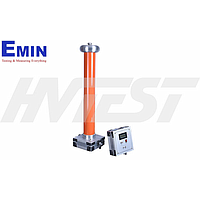
Why electrical tester repair requires specialized handling
Electrical test instruments are often exposed to demanding operating conditions: high energy circuits, field transport, temperature variation, dust, and frequent connection cycles. Over time, these factors can contribute to drift, damaged interfaces, power section faults, unstable displays, charging problems, or degraded measurement performance.
Unlike basic consumer electronics, many testers operate within a measurement-critical environment. A repair approach therefore needs to consider not only whether the unit powers on, but also whether key functions behave consistently under normal working conditions. This is especially important for equipment used in preventive maintenance, acceptance testing, and electrical safety workflows.
Typical instrument groups covered in this category
This service category is centered on electrical testing equipment rather than general-purpose meters alone. It may apply to instruments used for low resistance measurement, breaker testing, insulating material evaluation, withstand voltage testing, cable fault testing, insulating oil analysis, and phase angle checking, as well as devices related to transformer, relay, CT/PT, or lightning arrester testing.
It also provides a relevant repair path for more specialized equipment such as high-voltage meters, current generators, high-voltage or step-up transformer test systems, and SF6 gas analyzers. Because these instruments support different testing principles and output ranges, repair work typically starts with fault isolation at the subsystem level, followed by functional checks tied to the intended application of the device.
Common issues that lead to repair requests
In practice, many service cases begin with symptoms that appear simple but can have multiple root causes. These may include no power, intermittent shutdown, failed boot sequence, keypad or touchscreen malfunction, damaged terminals, charging faults, fan or thermal issues, abnormal noise, or communication port errors. In other cases, the instrument may turn on normally but produce questionable or non-repeatable readings.
Electrical testers can also be affected by overload events, improper connection, aging internal components, impact during transport, or contamination from field use. For organizations that also maintain broader measuring equipment fleets, related service needs may involve electrical and electronic meter repair or support for specialized bench instruments such as oscilloscopes and logic analyzers repair.
What a structured repair process should focus on
A useful repair workflow typically begins with symptom review, visual inspection, and basic safety assessment. From there, technicians can evaluate major sections such as power input, internal supply rails, control boards, measurement circuits, signal paths, output stages, displays, and interface components. The goal is not only to replace failed parts where appropriate, but also to identify underlying conditions that may have contributed to the failure.
For electrical testers, functional verification after repair is especially important. Depending on instrument type, this may involve checking stability, response behavior, interface operation, output control, and consistency of measured values. In many industrial environments, repair is most effective when paired with post-service inspection or calibration planning, especially for instruments used in traceable maintenance or compliance-oriented tasks.
How to decide whether repair is the right option
Repair is often considered when the instrument has high replacement cost, serves a specialized testing function, or remains important to an established workflow. This is common with equipment used for transformer diagnostics, relay testing, high-voltage verification, cable fault investigation, or insulation-related measurement, where replacing the unit may involve retraining, process changes, or long sourcing lead times.
A practical evaluation usually considers the fault severity, availability of serviceable parts, the age of the unit, and how critical the instrument is to current operations. If the tester is part of a broader service program, it can also be useful to review adjacent maintenance needs such as DC/AC power supply repair or thermal camera and thermometer repair, especially when troubleshooting spans multiple tools used in the same diagnostic process.
Applications where dependable tester performance is critical
Electrical testers in this category are commonly used in utility maintenance, industrial electrical systems, transformer service, switchgear inspection, plant shutdown work, commissioning projects, and laboratory support tasks. In these settings, equipment condition directly affects troubleshooting speed and confidence in the result.
When a tester is used to evaluate insulation condition, withstand voltage behavior, protective relays, breaker status, CT/PT performance, or fault conditions on cables, even small performance issues can disrupt maintenance planning. A repaired unit should therefore be assessed with the end-use application in mind, not simply restored to basic power-on condition.
Choosing a repair service with the right technical scope
Because this category includes both portable testers and more specialized electrical test systems, the service scope should align with the complexity of the instrument. Some units are compact handheld devices, while others integrate output generation, data acquisition, protective circuitry, communication ports, and application-specific control logic. A suitable repair path should reflect that difference.
It is also helpful to consider whether the service can support the broader ecosystem around the instrument, including functional troubleshooting, parts-level diagnosis where appropriate, and follow-up steps for performance confirmation. This is particularly relevant for organizations that depend on high-reliability test equipment for scheduled maintenance, outage work, or product verification.
Support for a broad range of electrical testing workflows
This category is intended to help buyers and maintenance teams find repair support for electrical testers used across many technical scenarios, from routine checking to specialized high-voltage and power-system testing. Whether the issue involves unstable readings, output problems, physical damage, interface faults, or startup failure, a focused repair process can help restore equipment usability while reducing disruption to ongoing work.
If your operation relies on instruments for insulation testing, breaker testing, relay and transformer diagnostics, cable fault work, or other electrical verification tasks, choosing a service aligned with the device type is the most practical next step. A well-handled repair can extend equipment life, support safer testing practices, and keep critical diagnostic tools available when they are needed most.
Types of Electrical Tester Repair Service
- Breaker Testing Equipment Repair Service
- Cable Fault Tester Repair Service
- Capacitance/tan δ meter Repair Service
- CT/PT Tester Repair Service
- Current Generator Repair Service
- Flouscent lamp tester repair service
- High Voltage Meter Repair Service
- High Voltage/ Step-up Transformers Repair Service
- High-pressure Test Equipment Repair Service
- Insulating Materials Tester Repair Service
- Insulating oil testing equipment Repair Service
- Lightning Arrester Tester Repair Service
- Lights, LED system Repair Service
- Low Resistance Meter Repair Service
- Phase Angle Meter Repair Service
- Relay Tester Repair Service
- SF6 Gas analyzer Repair Service
- Transformer testing equipment Repair Service
- Withstand Voltage Test Repair Service
-
-
-
-
-
-
-
-
-
-
-
-
-
-
-
-
-
-
-
-
-
-
-
-