


Benchtop Pressure Calibrator
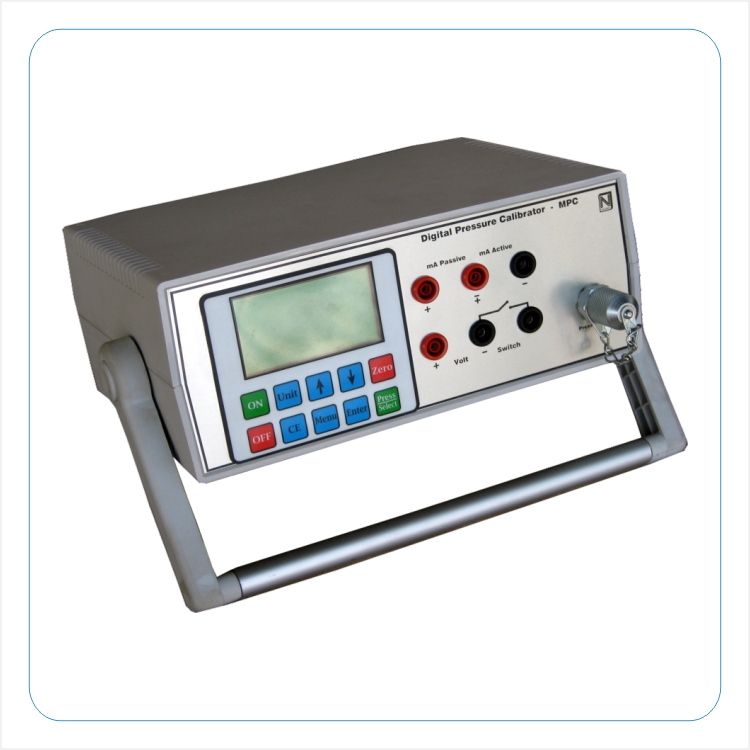
When pressure instruments need to be checked, adjusted, or verified in a stable workshop environment, a benchtop setup often offers better control than portable field equipment. A Benchtop Pressure Calibrator is typically chosen for calibration benches, maintenance labs, production testing, and quality control tasks where repeatability, readability, and convenient connections matter as much as pressure range.
Within pressure calibration workflows, these instruments are used to compare applied pressure against a trusted reference, validate transmitters and gauges, and in many cases support electrical measurement such as mA or voltage input. That makes them relevant not only for instrumentation technicians, but also for OEM assembly, process maintenance, and test engineering teams working with pneumatic or hydraulic devices.
Why benchtop calibration remains important
Portable calibrators are useful in the field, but bench-mounted systems are often preferred when the job requires a more organized test station, better ergonomics, and repeatable test conditions. A fixed platform helps reduce handling variation and can simplify pressure generation, electrical signal checks, and documentation during repeated calibration routines.
This category is especially relevant for users who regularly test pressure switches, indicators, transmitters, and sensors across multiple ranges. If your work also includes related reference methods, it may be useful to compare these instruments with a pressure comparator or more primary-style verification equipment such as pressure deadweight testers, depending on the level of accuracy and operating method required.
Typical configurations in this category
Benchtop pressure calibrators are commonly selected by the pressure medium and the range to be covered. Pneumatic versions are suitable for lower-pressure air or gas applications, while hydraulic versions are generally used for higher-pressure calibration tasks where liquid media provide the required stability and range.
The products shown in this category reflect that split clearly. For example, the Nagman MPC-P-B and MPC-P-B+ are bench-mounted pneumatic pressure calibrators designed for lower positive and vacuum-related ranges, while the Nagman MPC-H-B and MPC-H-B+ cover hydraulic ranges up to high bar values for heavier-duty calibration work. This makes the category useful for both light instrumentation calibration and more demanding high-pressure bench testing.
What to look for when selecting a benchtop pressure calibrator
The first consideration is the pressure range and whether your application is pneumatic or hydraulic. Choosing an instrument too close to the top of its range can reduce practical flexibility, while selecting an overly broad range may not be ideal for lower-point resolution and routine calibration efficiency.
The second is accuracy and repeatability. In this category, some models are intended for general calibration work, while others are better suited to tighter tolerance requirements. For example, the Nagman MPC-H-B+ is listed with ±0.02% F.S., and the Dwyer MC6 includes high-sensitivity measurement capability with support for differential and gauge pressure modules. These distinctions matter when calibrating transmitters, switches, or reference devices used in controlled industrial processes.
It is also worth checking whether the unit supports electrical measurement alongside pressure. Many calibration tasks involve verifying loop current or voltage signals from transmitters, so a calibrator that combines pressure input with mA or V measurement can reduce setup time and streamline bench procedures.
Examples from leading brands in this category
Nagman is well represented here with bench-mounted pneumatic and hydraulic calibrators covering a practical spread of ranges and accuracy classes. Models such as the MPC-P-B, MPC-P-B+, MPC-H-B, and MPC-H-B+ are suitable examples of bench instruments designed for calibration stations where users need a graphical display, multiple engineering units, and support for pressure switch testing and electrical input checks.
Dwyer brings a different angle with the MC6 Dual Display Multi-Cal Benchtop Pressure Calibrator. This model is relevant for users who need a broader multi-function bench setup, including dual-display operation, electrical input capability, and compatibility with pressure modules for differential or gauge measurement tasks. For labs and maintenance teams working across several instrument types, that flexibility can be a strong advantage.
Applications across maintenance, production, and test benches
In industrial maintenance, benchtop pressure calibrators are often used to verify pressure transmitters before installation or after removal from process lines. A workshop technician can connect the instrument, apply known pressure points, observe output signals, and document deviations without needing a full field setup.
In production and OEM environments, these systems support incoming inspection, final testing, and routine quality checks. They are also useful in service centers where multiple instruments must be calibrated in sequence, because a bench arrangement improves workflow consistency and makes repeated connection, venting, and signal measurement easier.
For users whose setup depends on external pressure generation or accessory tools, related categories such as pressure calibration pumps and digital pressure calibration gauges can help extend or complement a calibration bench.
Bench-mounted vs other pressure calibration options
A benchtop instrument is not always the default choice, but it is often the most efficient one for indoor calibration work. Compared with highly portable devices, bench-mounted units generally provide a more structured operating format and can be easier to integrate into standard procedures, especially where the same tests are repeated daily or weekly.
Compared with simpler gauges or single-purpose indicators, a benchtop calibrator may offer a more complete calibration workflow, including pressure generation support, electrical signal verification, switch testing, and clearer display handling. For users building a dedicated station rather than solving a one-off test need, that broader capability can be more practical over time.
Practical buying considerations
Before choosing a model, define the instruments you calibrate most often: pressure transmitters, switches, gauges, or differential devices. Then match the calibrator to your working medium, maximum pressure, required accuracy, and whether you need built-in support for mA, voltage, alarms, or communication features such as RS-232.
It is also sensible to think about bench workflow rather than specifications alone. Connection type, included accessories, display readability, and the ease of moving between test points can have a real impact on daily use. In many cases, a slightly more capable bench unit is justified when it reduces setup changes and covers a wider share of routine calibration jobs.
Conclusion
A well-chosen benchtop pressure calibrator helps create a more stable, repeatable, and efficient calibration environment for industrial pressure instruments. Whether the priority is low-pressure pneumatic work, high-pressure hydraulic testing, or a multi-function bench setup with electrical measurement, this category provides options that fit common lab, workshop, and production requirements.
By focusing on pressure range, accuracy class, medium, and test workflow, buyers can narrow the selection to equipment that supports reliable day-to-day calibration rather than simply meeting a headline specification. That approach usually leads to a better long-term fit for both maintenance teams and technical purchasing departments.
-
-
-
-
-
-
-
-
-
-
-
-
-
-
-
-
-
-
-
-
-
-
-
-