


Biochemistry Equipment
Reliable laboratory work depends on instruments that can support accurate sample preparation, observation, and analysis across many biochemical tasks. In teaching labs, research environments, and technical training settings, the right setup helps users move from basic experiments to more structured workflows involving enzymes, proteins, metabolites, buffers, and other biological materials. This is where Biochemistry Equipment becomes an important part of a practical laboratory ecosystem.
Whether the goal is to support routine student experiments or broader biological investigation, this category brings together equipment used in biochemical handling and analytical processes. Selection often depends on the type of samples being studied, the level of precision required, and how the equipment will fit into a wider lab environment that may also involve microscopy, physiology, or environmental study.
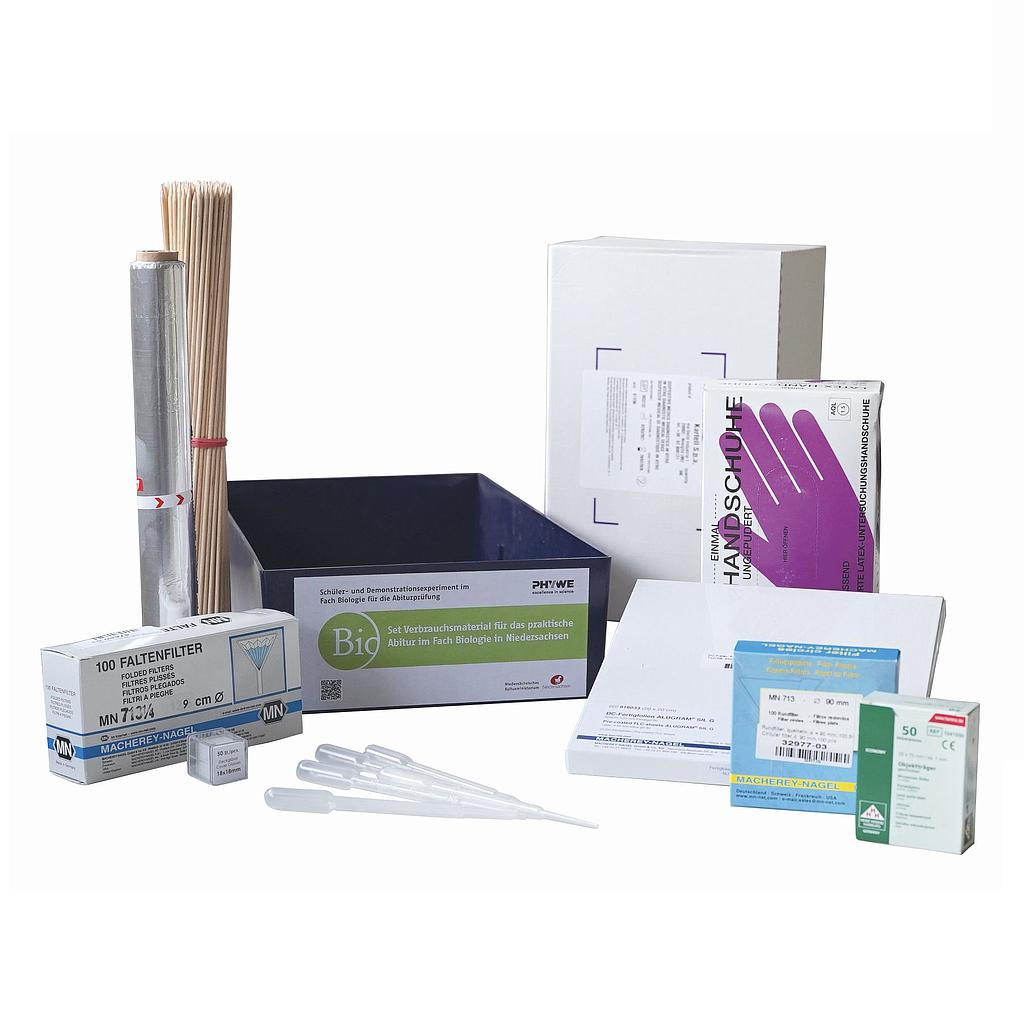
Where biochemistry equipment fits in laboratory practice
Biochemistry work typically focuses on the chemical processes associated with living systems. In practical terms, that can include preparing solutions, handling biological samples, studying reactions, separating components, or supporting measurements used in experimental biology. Because of this, equipment in this category is often chosen not as a standalone purchase, but as part of a broader laboratory workflow.
In education and training environments, biochemistry instruments are commonly used to help learners understand core experimental principles such as concentration control, reaction conditions, sample stability, and repeatability. In research-oriented settings, the emphasis often shifts toward consistency, ease of operation, and compatibility with related laboratory tools.
Common applications in education and research
Biochemistry equipment is relevant in a wide range of use cases, from introductory biology teaching to more specialized analytical work. Typical applications may include solution preparation, biomolecule handling, reaction monitoring, and sample processing for downstream observation or testing. The exact equipment mix can vary significantly depending on whether the lab is focused on demonstration, routine practice, or experimental development.
This category is also useful when a facility needs to support interdisciplinary study. For example, biochemical methods often overlap with sample preparation in cell biology equipment setups, especially where sample viability, media preparation, or biochemical response needs to be examined alongside cellular structure and function.
What to consider when selecting biochemistry equipment
Choosing suitable equipment starts with defining the intended laboratory tasks. A teaching lab may prioritize durability, ease of use, and straightforward operation, while a research or advanced training environment may require better control, higher repeatability, or equipment that integrates smoothly with more complex procedures. It is also helpful to consider how often the device will be used and what level of user experience can be expected.
Another important factor is sample type and handling conditions. Biological and biochemical materials can be sensitive to contamination, temperature variation, timing, and preparation accuracy. Equipment should therefore be selected with attention to the practical realities of sample volume, workflow speed, cleaning requirements, and the consistency needed for reliable results.
Supporting a broader biological equipment ecosystem
Biochemistry rarely operates in isolation. Many laboratories need equipment that can support multiple biological disciplines, allowing users to move from one stage of study to another without unnecessary disruption. A practical setup may connect biochemical preparation and analysis with observation, organism study, or environmental sampling, depending on the lab’s purpose.
For instance, laboratories involved in plant-related sample work may also benefit from access to botany equipment, while projects examining biological systems in natural settings may overlap with ecology and environment equipment. This broader view helps buyers choose equipment that supports both current needs and future expansion.
Practical criteria for comparing equipment options
When reviewing products in this category, it is useful to compare them based on operation, maintenance, and suitability for the intended curriculum or laboratory process. Key practical considerations often include footprint, ease of cleaning, compatibility with standard lab procedures, and how intuitively the equipment can be used by students, technicians, or researchers.
It is also worth looking at the balance between precision, usability, and training requirements. Highly specialized equipment may offer more control, but it can also demand stricter procedures and more experienced users. In many educational or shared lab environments, a well-matched instrument is one that supports dependable results while remaining accessible for routine operation.
Biochemistry equipment in interdisciplinary teaching environments
Many institutions build laboratories that serve more than one subject area. In these settings, biochemistry equipment can help bridge chemistry and biology by supporting experiments that show how molecular processes relate to living systems. This makes the category especially relevant for technical schools, universities, and training centers that want flexible resources for both demonstration and hands-on practice.
Depending on the curriculum, related disciplines may include animal structure and function, biochemical response in tissues, or organism-level investigation. That is why some users planning a more complete biology lab may also explore human physiology equipment or other adjacent categories to create a more complete instructional environment.
Building a category selection around real laboratory needs
A useful purchasing approach is to begin with the actual experiments, training objectives, and handling procedures the lab must support. Rather than selecting equipment only by name, it is often more effective to review how each item contributes to preparation, measurement, observation, or controlled processing within the wider workflow. This reduces the risk of buying equipment that is technically capable but not well suited to daily use.
For buyers comparing options in Biochemistry Equipment, the most effective choice is usually the one that aligns with sample type, user skill level, and laboratory context. With a clear view of workflow, application, and adjacent biological disciplines, it becomes much easier to select equipment that supports consistent teaching, practical experimentation, and long-term laboratory use.
-
-
-
-
-
-
-
-
-
-
-
-
-
-
-
-
-
-
-
-
-
-
-
-