


Paper Moisture Meter
Moisture control has a direct impact on paper quality, storage stability, and downstream production. In printing, packaging, converting, and recycling environments, even a small moisture imbalance can lead to curl, warping, poor print results, mold risk, or inconsistent material behavior from one batch to the next. That is why a Paper Moisture Meter is not just a checking tool, but part of routine quality assurance.
On this page, you can explore instruments designed for paper, cardboard, kraft paper, liner board, baled scrap paper, and related fiber materials. Depending on the measurement task, the right solution may use pin resistance measurement, capacitance measurement, or non-contact NIR technology, with different sensor forms for surface checks, penetration into stacks, or testing deeper inside rolls and recycled paper.
Why moisture measurement matters in paper handling
Paper often looks dry on the surface while still retaining moisture inside the stack, roll, or bale. This difference between outer and inner layers is one of the main reasons material can deform after storage, show unstable behavior in printing, or develop fungal issues in humid warehouse conditions.
Routine testing helps verify whether moisture is distributed evenly across a batch. For incoming inspection, production checks, and pre-shipment control, a dedicated paper meter provides more reliable data than visual assessment or touch, especially when large quantities are involved.
Typical applications for paper moisture meters
These instruments are commonly used in paper mills, printing facilities, packaging plants, warehouses, recycling operations, and quality control laboratories. The goal may be to confirm dryness before storage, monitor process conditions, compare lots from different suppliers, or reduce waste caused by moisture-related defects.
Different paper products require different measurement approaches. Copy paper and kraft paper may be checked with handheld pin-type meters, while cardboard, corrugated materials, and scrap paper may need broader calibration coverage or deeper probing. In some workflows, users also compare paper measurement needs with a multifunction moisture meter when several materials must be checked on the same site.
Main measurement methods used in this category
Resistance-based measurement
Electrical resistance meters are widely used for paper because they offer direct contact measurement and practical portability. Models such as the DELMHORST P2000, DELMHORST PX-20, DELMHORST PX-30, and Kett HK-300 series illustrate this approach. They are useful for routine checks on paper grades where pin contact or dedicated sensors are appropriate.
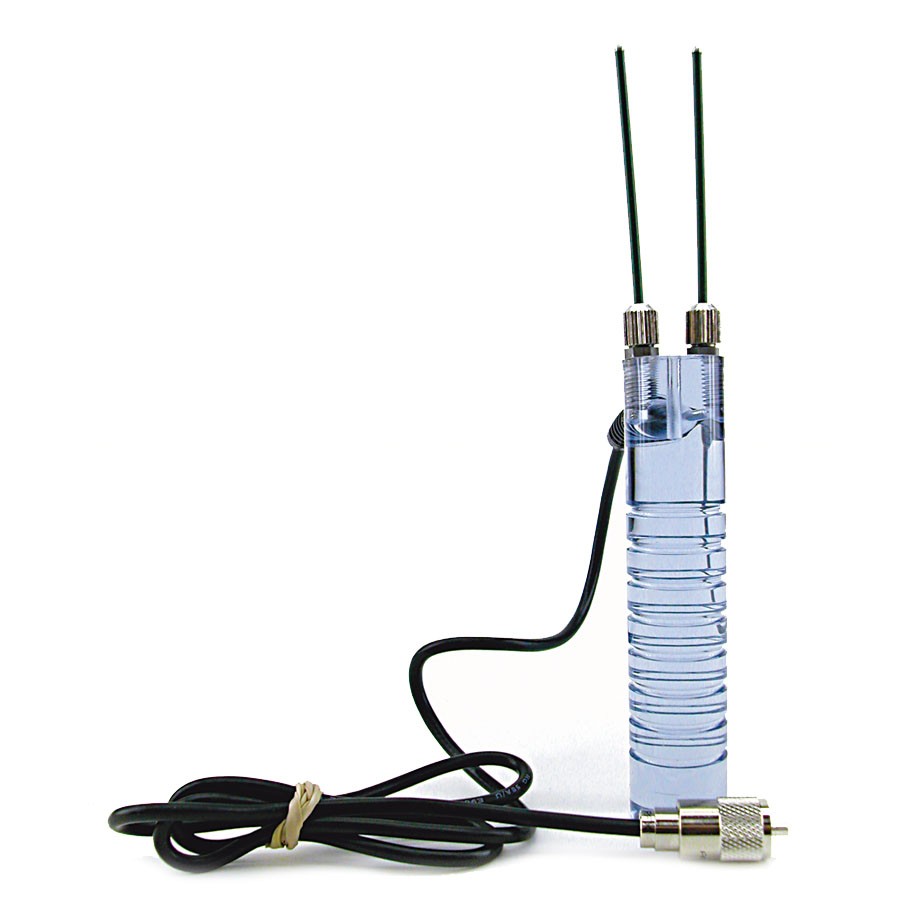
For stacked materials or locations below the surface, probe design becomes important. A product such as the PCE W3 Absolute Moisture Meter, with a penetrating electrode, is relevant when operators need to reach farther into waste paper or compacted material rather than only testing the outer layer.
Capacitance and non-destructive measurement
Capacitance-type devices are often selected when users want rapid, less invasive measurement on paper and board products. The Kett KH-70 is an example of a tester aimed at paper, carton, cardboard, and corrugated fiberboard applications where fast screening is useful.
This method can support frequent checks on finished products or incoming material, particularly where surface damage from pins is undesirable. It is often used as part of a broader inspection routine rather than as a replacement for all deep-point measurements.
Non-contact NIR measurement
Where measurement must be fast and contactless, NIR moisture measurement can be valuable. The Kett KJT-130 represents this type of solution, using non-contact measurement for applications where consistent standoff distance and rapid response are important.
Non-contact systems are often considered in production or inspection setups that prioritize speed, repeatability, and minimal influence on the sample surface. They are especially useful when handling sensitive materials or when operators need frequent checks without touching the sheet.
Examples of instruments in this category
This category includes compact handheld meters as well as probe-based and specialized systems. DELMHORST is a well-known reference for paper moisture checking, with instruments such as the DELMHORST P2000, PX-20, and PX-30 covering common paper and scrap paper measurement needs. These models are suitable for users who want portable operation, stored readings, and straightforward field use.
Kett offers several approaches, from the KH-70 for paper and cardboard to the HK-300-2 and HK-300-3 testers for calibrated paper grades, plus the KJT-130 for NIR-based measurement. For recycling and deeper material evaluation, the Emco AP500–M6 and the SANKO KG-PA probe expand the range of use cases beyond standard sheet paper handling.
How to choose the right paper moisture meter
The first question is the material type: plain paper, kraft paper, liner board, cardboard, corrugated material, tissue-type products, or recycled paper. Measurement ranges and calibration curves differ, so the ideal instrument depends on what you actually test every day rather than on broad generic capability.
The second factor is measurement depth and contact style. If you mainly inspect surface condition on finished sheets, a compact handheld unit may be enough. If you need to test inside rolls, waste paper, or denser stacks, a probe-based instrument such as the PCE W3 or a compatible external probe solution may be more appropriate.
The third factor is workflow. Some users need quick pass/fail screening; others need stored readings, statistics, temperature correction, or data transfer. In facilities where multiple raw materials are monitored, it may also be helpful to review related tools such as moisture detecting papers for simple indication tasks or other moisture-control methods.
Good measurement practice for reliable results
Accurate moisture checking depends on sampling method as much as on the instrument itself. Measurements should be taken at multiple points, especially when evaluating bundles, rolls, or palletized product. This helps reveal whether moisture is uniform or whether the core differs from the outer layers.
It is also important to measure under stable conditions and to let paper acclimate when moving between environments. Material transferred from production to storage, or from a humid warehouse to a conditioned print room, can show temporary imbalance. Consistent test locations, repeated readings, and suitable sensor selection all improve decision-making.
When paper is part of a broader raw-material inspection process, buyers may compare testing practices with other application groups, including moisture meters for agriculture, where batch variability and storage risk are also critical.
Suitable industries and use cases
Paper moisture meters are relevant for commercial printing, packaging conversion, corrugated board production, paper distribution, warehouse receiving, and recycling plants. They are also useful during supplier verification, complaint analysis, and process improvement projects where moisture is linked to reject rates or unstable machine performance.
For baled or recycled paper, wider measuring ranges can be particularly useful, as shown by products such as the Emco AP500–M6 or DELMHORST models with scrap paper capability. For standard production paper grades, calibrated handheld testers from DELMHORST and Kett remain practical choices for everyday control.
Final considerations before buying
The best choice depends on how you measure, where you measure, and what kind of paper product you need to control. A simple handheld meter may be sufficient for routine incoming inspection, while deeper probing, broader calibration coverage, or non-contact operation may be necessary for recycling, process monitoring, or high-throughput environments.
By selecting a meter that matches your paper type, sampling method, and required level of documentation, you can reduce moisture-related defects and improve consistency across storage, conversion, and shipping. Explore the available models in this category to compare practical options for paper, cardboard, kraft paper, and recycled fiber materials.
-
-
-
-
-
-
-
-
-
-
-
-
-
-
-
-
-
-
-
-
-
-
-
-