


Steel Structure Analyzer Repair Service
When a steel structure analyzer starts showing unstable readings, slow response, charging issues, or communication faults, field decisions can quickly become less reliable. In inspection work for steel members, weld zones, and structural condition assessment, dependable instrument performance matters as much as operator skill. This is where Steel Structure Analyzer Repair Service becomes important: not just to restore operation, but to help maintain confidence in measurement results during routine inspection and maintenance work.
This service category is intended for users who need support for analyzers used in structural testing and evaluation environments. Whether the issue is related to display behavior, buttons, connectors, power supply, internal electronics, or overall device stability, a structured repair process helps return the instrument to usable condition while reducing downtime in the field.
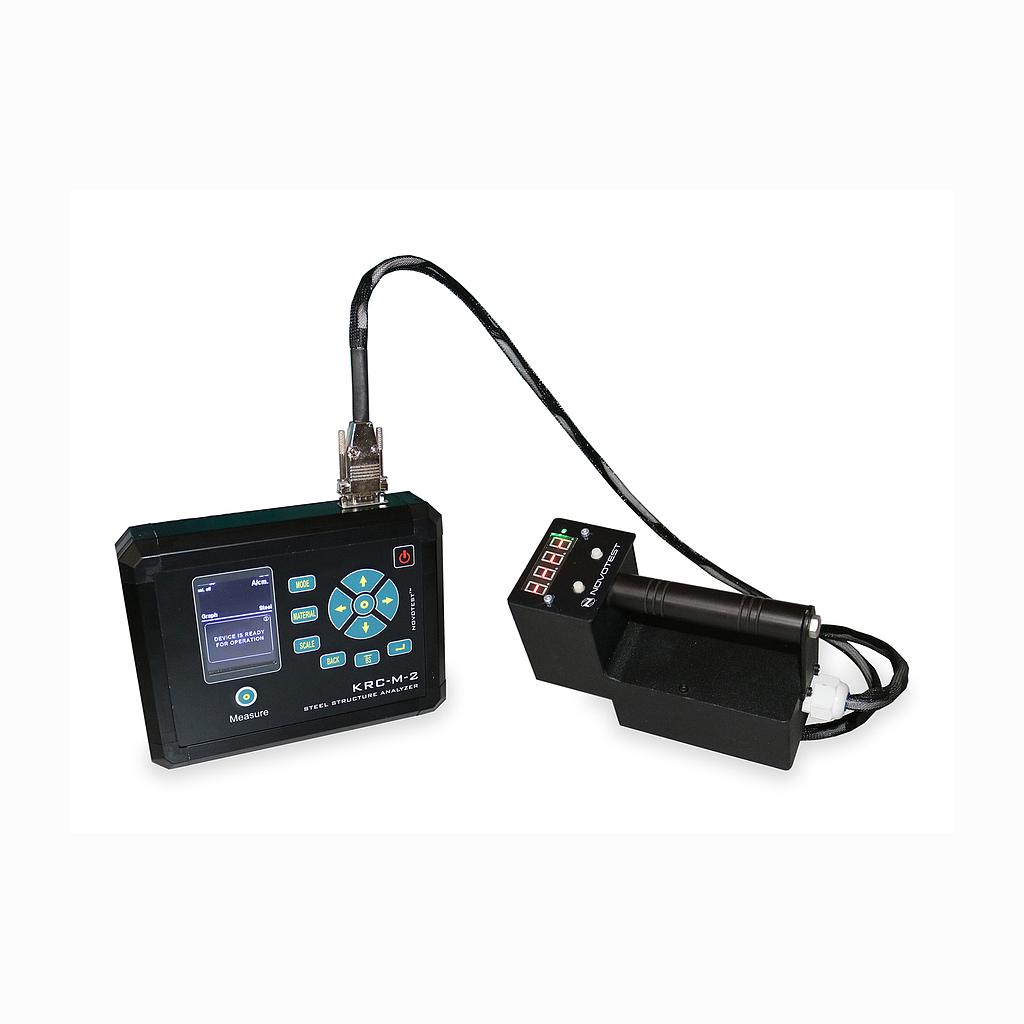
Why repair support matters for steel structure analyzers
In practical inspection workflows, analyzers are often exposed to vibration, dust, transport impact, and repeated use across construction or industrial sites. Over time, this can affect sensor response, interfaces, housings, batteries, charging ports, and internal boards. Even if the instrument still powers on, inconsistent behavior can reduce trust in the output and slow down reporting.
A proper repair service helps identify whether the fault is mechanical, electrical, or related to normal wear. For B2B users, this is especially relevant when equipment supports periodic inspection programs, contractor testing teams, maintenance departments, or material evaluation tasks where interruption can affect project schedules.
Typical issues addressed in this service category
Repair needs can vary depending on the device condition and operating history, but some patterns are common. Instruments may fail to start, shut down unexpectedly, lose charge too quickly, or show irregular screen output. In other cases, the analyzer may still function but provide unstable readings, poor keypad response, or difficulty connecting to accessories or data interfaces.
For users working with NOVOTEST equipment, support in this category is relevant when a unit no longer performs as expected in day-to-day structural inspection tasks. The listed NOVOTEST Steel Structure Analyzer Repair Service is suitable as a reference point for customers looking for service options specific to this equipment family.
What a structured repair process usually involves
Effective service starts with fault assessment. This may include checking the instrument’s physical condition, power behavior, display status, controls, connectors, and overall operational response. Once the problem is identified, the repair workflow can focus on replacing damaged parts where necessary, restoring electrical continuity, resolving functional errors, and verifying that the unit returns to stable operation.
For technical buyers, the value of a structured process is not only in fixing the immediate issue. It also helps clarify whether the fault is isolated or part of broader wear affecting the analyzer’s reliability. This is useful when planning maintenance budgets, evaluating serviceability, or deciding whether repair remains more practical than replacement.
How to know when your analyzer should be sent for repair
Some failures are obvious, such as a cracked screen, non-responsive controls, or complete power loss. Others develop more gradually. If the analyzer begins producing inconsistent results under similar test conditions, takes longer than usual to initialize, or behaves differently after transport or charging, it is a good time to have it inspected.
It is also worth arranging service when the device has suffered impact, moisture exposure, or connector damage, even if it still appears usable. Continuing to operate a compromised unit can make fault diagnosis more difficult later and may affect the consistency of structural assessment work.
Repair service within a broader inspection equipment workflow
Organizations that maintain multiple testing instruments often manage repair needs across several device types, not just one analyzer. In structural and construction testing environments, steel inspection tools are frequently used alongside equipment for concrete surface hardness, reinforcement detection, or internal defect evaluation. Coordinating service across related instruments can simplify maintenance planning and reduce operational disruption.
Depending on your application, you may also need support for related equipment such as concrete test hammer repair or cover meter and rebar detector repair. In projects involving deeper material assessment, users may also review concrete ultrasonic detector repair services as part of a broader equipment support plan.
Choosing the right service for your equipment
When selecting a service category, it helps to match the repair request as closely as possible to the actual instrument type and fault symptoms. A clear service request should ideally include the device model, manufacturer, observed issue, power condition, and any history of drops, moisture, charging problems, or intermittent errors. This improves the speed of initial evaluation and reduces back-and-forth during intake.
For procurement teams and maintenance coordinators, category-specific service pages also make it easier to organize support by instrument class. That is especially useful in businesses handling multiple testers across civil engineering, structural inspection, plant maintenance, or laboratory support functions.
A practical option for extending equipment usability
Repair is often a practical step when the instrument remains relevant to ongoing work and the fault appears serviceable. Instead of replacing equipment prematurely, many organizations prefer to restore existing analyzers where possible, especially when operators are already familiar with the workflow and reporting process tied to that device.
If your team relies on steel inspection instruments in daily operations, this category provides a focused path for evaluating repair needs and restoring dependable function. A well-handled service case can help extend usable equipment life, support continuity in inspection activities, and make maintenance planning more predictable over time.
-
-
-
-
-
-
-
-
-
-
-
-
-
-
-
-
-
-
-
-
-
-
-
-