


Permeability Tester Repair Service
Reliable permeability test results depend not only on the quality of the instrument, but also on its condition over time. In laboratories, construction material testing facilities, and field inspection environments, wear, contamination, pressure instability, seal degradation, and sensor drift can gradually affect repeatability and confidence in the data. A professional Permeability Tester Repair Service helps restore instrument performance so testing can continue with fewer disruptions and more consistent results.
When a permeability tester begins to show irregular readings, unstable pressure behavior, leakage, slow response, or mechanical faults, repair is often the most practical next step before considering replacement. For organizations that rely on material testing workflows, timely service supports both equipment uptime and better control of inspection schedules.
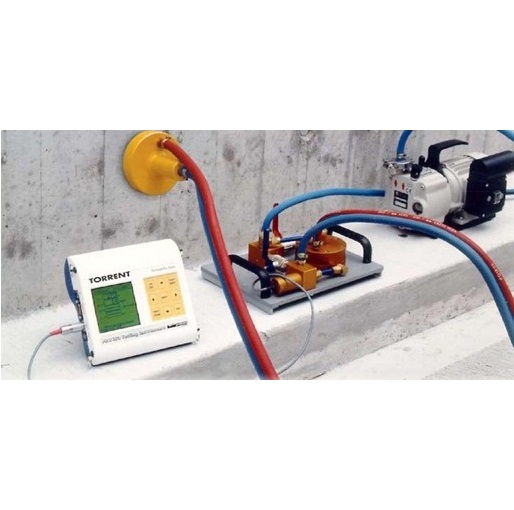
Why permeability tester repair matters
Permeability testing is used to evaluate how fluids or gases pass through a material under defined conditions. Because the test method depends on controlled pressure, stable measurement response, and sound mechanical integrity, even a small fault can influence the final result. Problems such as damaged valves, worn fittings, clogged lines, deteriorated seals, or electronic instability may lead to unreliable measurements or inconsistent operation.
A dedicated repair service focuses on returning the unit to proper working condition through inspection, fault isolation, component replacement where needed, and functional verification. This approach is especially important for users who need dependable testing performance in routine quality control, material evaluation, or research applications.
Common issues found in permeability testers
Permeability testers combine mechanical, pneumatic, hydraulic, and sometimes electronic measurement elements. Over time, several types of issues can appear. Mechanical wear may affect chambers, connectors, clamps, or moving parts, while pressure-related problems may stem from leaks, blocked pathways, unstable regulators, or aged sealing components.
Electrical and indication problems can also develop, particularly in systems that include sensors, displays, timing functions, or control boards. In many cases, the symptom seen by the user is simply “inconsistent readings,” but the root cause may be more specific. A structured repair process helps identify whether the issue is related to pressure control, internal leakage, sensing accuracy, or general instrument deterioration.
What a repair service typically includes
A permeability tester repair workflow generally starts with an overall condition assessment. This may involve checking visible damage, confirming mechanical operation, reviewing pressure retention behavior, and identifying worn or failed parts. The goal is not only to fix the immediate fault, but also to understand whether related components are likely to affect future operation.
Depending on the condition of the unit, service may include cleaning internal passages, replacing seals or fittings, restoring damaged connectors, addressing regulator or valve problems, and resolving basic electrical faults. After the repair, the instrument is typically checked for functional stability so that it can return to service with improved reliability. For equipment used alongside other concrete and rebar testing tools, coordinated maintenance planning can also help reduce unexpected downtime.
When to send a permeability tester for repair
In many facilities, instruments are only sent for service after they stop working completely. However, earlier intervention is often more efficient. If the tester shows drifting results, poor repeatability, pressure loss, abnormal response time, visible leaks, damaged tubing, or control irregularities, repair should be considered before the issue becomes more severe.
This is particularly relevant when the instrument supports regular production checks or scheduled inspections. A delayed repair can affect broader testing operations, especially when the permeability tester is part of a larger material evaluation workflow. If your lab or inspection team also uses related equipment, support may be worth exploring for services such as concrete test hammer repair or concrete ultrasonic detector repair as part of a broader maintenance plan.
Benefits of professional repair over ad hoc fixes
Temporary fixes may help an instrument power on or hold pressure for a short time, but they do not always address the underlying problem. In testing applications, that creates risk: the device may appear usable while still producing unstable or non-repeatable results. Professional repair is more effective because it focuses on diagnosis, corrective action, and verification rather than symptom masking.
Another advantage is protection of the wider testing process. A properly serviced unit is less likely to interrupt workflow, delay reporting, or require repeated troubleshooting by internal staff. For organizations managing several inspection instruments, repair support can be integrated with other service needs, including cover meter and rebar detector repair or rebar corrosion detection repair where relevant.
How to prepare equipment for service
Before sending a permeability tester for repair, it is helpful to document the symptoms clearly. Note whether the problem is continuous or intermittent, whether it occurs during pressurization or measurement, and whether there are any visible signs such as leakage, loose fittings, unusual noises, or display faults. This information can speed up diagnosis and reduce unnecessary back-and-forth during evaluation.
It is also good practice to include key accessories only when they are directly related to the fault being investigated. If the issue appears tied to chambers, hoses, regulators, or control components, sending the associated parts can help the service team replicate the problem more accurately. Clear fault history supports more efficient repair and a better chance of restoring measurement consistency.
Choosing the right repair support for material testing equipment
Repair quality matters most when the instrument plays a role in technical decision-making. For permeability testers, the right service approach should take into account both the mechanical and measurement aspects of the unit, not just visible damage. A useful repair outcome is one that improves usability, reduces uncertainty, and helps the tester fit back into the normal workflow of the lab or field team.
If your operation depends on multiple concrete, rebar, or material assessment devices, it also makes sense to review related service categories and keep maintenance organized by equipment type. This can simplify asset management and help reduce downtime across your testing program.
Support more stable testing performance
A well-maintained permeability tester is easier to trust in day-to-day use. Whether the issue involves leakage, unstable pressure, mechanical wear, or control-related faults, repair service provides a practical path to restoring dependable operation without treating the instrument as disposable.
For teams responsible for construction material testing and inspection equipment, timely repair helps protect both the instrument and the workflow around it. Reviewing service options early, especially when symptoms first appear, is often the most effective way to keep testing accurate, efficient, and consistent.
-
-
-
-
-
-
-
-
-
-
-
-
-
-
-
-
-
-
-
-
-
-
-
-