


Newton Weights
Accurate force verification starts with a reliable reference. In laboratories, quality control environments, and precision testing setups, calibrated force values are often checked using dedicated physical standards rather than relying only on instrument readouts. That is where Newton Weights are especially useful, helping users apply defined force values in a simple, repeatable way.
Within weighing and force-measurement workflows, these weights are commonly used for testing, adjustment, and verification tasks on force measuring devices and related equipment. This category focuses on practical selection criteria, typical use cases, and the role these components play in a broader measurement setup.
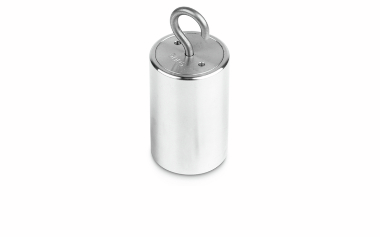
What Newton weights are used for
Unlike mass standards typically expressed in grams or kilograms, Newton weights are designed around force values. They are used when a defined force must be applied directly to a measuring device, for example during checks on spring balances, force gauges, or other instruments that respond to load in Newton-based units.
In practical terms, these weights support routine verification in test benches, inspection stations, educational labs, and maintenance environments. They are especially relevant when users need a straightforward mechanical method for applying a known force without introducing unnecessary complexity into the measurement process.
Typical formats and handling considerations
This category includes different physical formats such as hook weights and slot weights. The shape matters because it affects how the weight is attached to the device under test. Hook-style versions are useful where direct suspension is required, while slot designs are suitable for setups that need stable placement on a supporting element or fixture.
Material choice also plays a role in durability and handling. Several featured items in this range use finely turned stainless steel, which is well suited to repeated laboratory or workshop use. There is also a supporting bar option intended to help organize or apply multiple weights correctly within the allowed loading range.
Examples from the range
The selection covers very small force values for delicate applications as well as higher values for more robust testing tasks. Examples include the KERN 347-015-N00 Newton Weight (1 cN), KERN 347-035-N00 Newton Weight (5 cN), and KERN 347-045-N00 Newton Weight (10 cN), which are suitable for low-force verification where fine increments are important.
For broader force testing requirements, the range also includes models such as the KERN 347-086-N00 Newton Weight (2 N), KERN 347-135-N00 Newton Weight (50 N), and KERN 347-146-N00 Newton Weight (100 N). This spread helps users select a reference appropriate to the measuring range of the instrument being checked rather than relying on a one-size-fits-all approach.
How to choose the right Newton weight
The first step is to match the nominal force value to the intended test point of the instrument. For low-force applications, values in cN may be more appropriate, while force gauges or mechanical testing devices with larger measuring ranges may require weights expressed in N. Choosing the correct value helps maintain relevance between the reference standard and the actual operating range of the device.
It is also important to consider the mounting method. A hook weight may be the better choice for suspended loading, whereas a slot type may integrate more cleanly into a guided or supported arrangement. If your setup requires multiple elements, accessories from the broader weighing accessories range can help complete the application more effectively.
Role in calibration and verification workflows
Newton weights are often used as part of a broader inspection and adjustment process. In many environments, they serve as reference loads for checking whether an instrument responds consistently at specific points across its measuring range. This can support incoming inspection, routine quality checks, or maintenance intervals for force-related equipment.
They may also be used alongside precision weighing instruments depending on the workflow. For users working across both force and mass measurement tasks, related product groups such as precision scales can be relevant in the same metrology environment, even though their measurement purpose is different.
Manufacturers and product ecosystem
This category prominently features products from KERN, including low-force and high-force reference weights as well as compatible supporting components. The available examples show a practical spread of values and formats that can fit a variety of verification tasks, from fine laboratory work to more substantial force checks.
Masseprazise is also listed within the manufacturer context for this category. When comparing options, the most useful approach is to focus on force value, mechanical form, and compatibility with the intended setup rather than choosing only by brand name.
When supporting components matter
In some applications, the weight itself is only one part of the testing arrangement. A component such as the KERN 347-445-100-N00 Supporting Bar can be important where multiple weights or a particular mounting geometry are needed. Using the correct support element helps ensure that the force is applied in a controlled and repeatable way.
This is particularly relevant in setups where alignment, suspension, or safe handling influences the test result. For buyers who manage broader weighing and laboratory systems, other instrument categories such as analyzer scales may also be part of the same equipment landscape, depending on the application.
Choosing with confidence
A well-selected Newton weight helps make force verification more consistent, more transparent, and easier to repeat over time. The right choice depends on the required nominal force, the physical attachment method, and the way the weight will be used in the actual testing workflow.
Whether the need is for fine cN-level checks or higher Newton values, this category provides reference weights and related components suited to structured force measurement tasks. Reviewing the application method alongside the instrument range is usually the best way to narrow the selection and build a dependable setup.
-
-
-
-
-
-
-
-
-
-
-
-
-
-
-
-
-
-
-
-
-
-
-
-