


Gas and dust sampler calibration equipment
Accurate sampling starts long before laboratory analysis or compliance reporting. In field monitoring, industrial hygiene, stack testing, and environmental measurement, even a small deviation in flow, pressure, or temperature can affect the reliability of gas and dust sampler results. That is why gas and dust sampler calibration equipment plays a critical role in maintaining traceable, repeatable sampling performance.
Why calibration matters in gas and dust sampling
Gas, particulate, dust, and VOC sampling systems depend on controlled operating conditions. If the actual flow rate differs from the target value, the sampled volume may no longer represent real process or ambient conditions. In practical terms, this can influence exposure assessment, emission monitoring, and routine environmental checks.
Calibration equipment is used to verify and adjust key parameters such as flow rate, pressure, and temperature so that the sampler performs within its intended range. For users working across broader calibration tasks, it can also be useful to compare these solutions with multifunction calibrators when a wider instrument portfolio needs to be supported.
What this category is designed to support
This category focuses on calibration tools intended for portable and field-oriented gas and dust sampling applications. These instruments are commonly selected where users need to check low, medium, or high flow conditions, confirm pressure behavior, and document measurement data during service, inspection, or periodic verification work.
Compared with single-parameter devices, this type of equipment is especially relevant when one workflow involves multiple variables. A sampler may need its air path, pressure response, and temperature-related conditions reviewed together, which helps reduce setup time and improves consistency in maintenance routines.
Typical parameters checked during calibration
The most common variable is flow. Depending on the sampler type, users may need to work with very low flow ranges for certain gas sampling tasks, moderate ranges for dust collection, or substantially higher flow rates for specialized particulate applications. A suitable calibrator should match the operating range of the sampler and provide resolution appropriate for the required adjustment work.
Pressure is also important, especially where differential pressure or gauge pressure influences sampling stability. In some workflows, temperature and humidity values are checked at the same time to provide a more complete picture of operating conditions. If your application centers mainly on pressure verification rather than sampler-related calibration, a dedicated pressure calibrator may be more appropriate for that part of the job.
Representative equipment in this range
Junray is one of the key manufacturers represented in this category, with portable calibration solutions designed for gas, dust, smoke dust, VOC, air, and particulate matter sampling workflows. These instruments are relevant for users who need field-capable devices rather than bench-only setups.
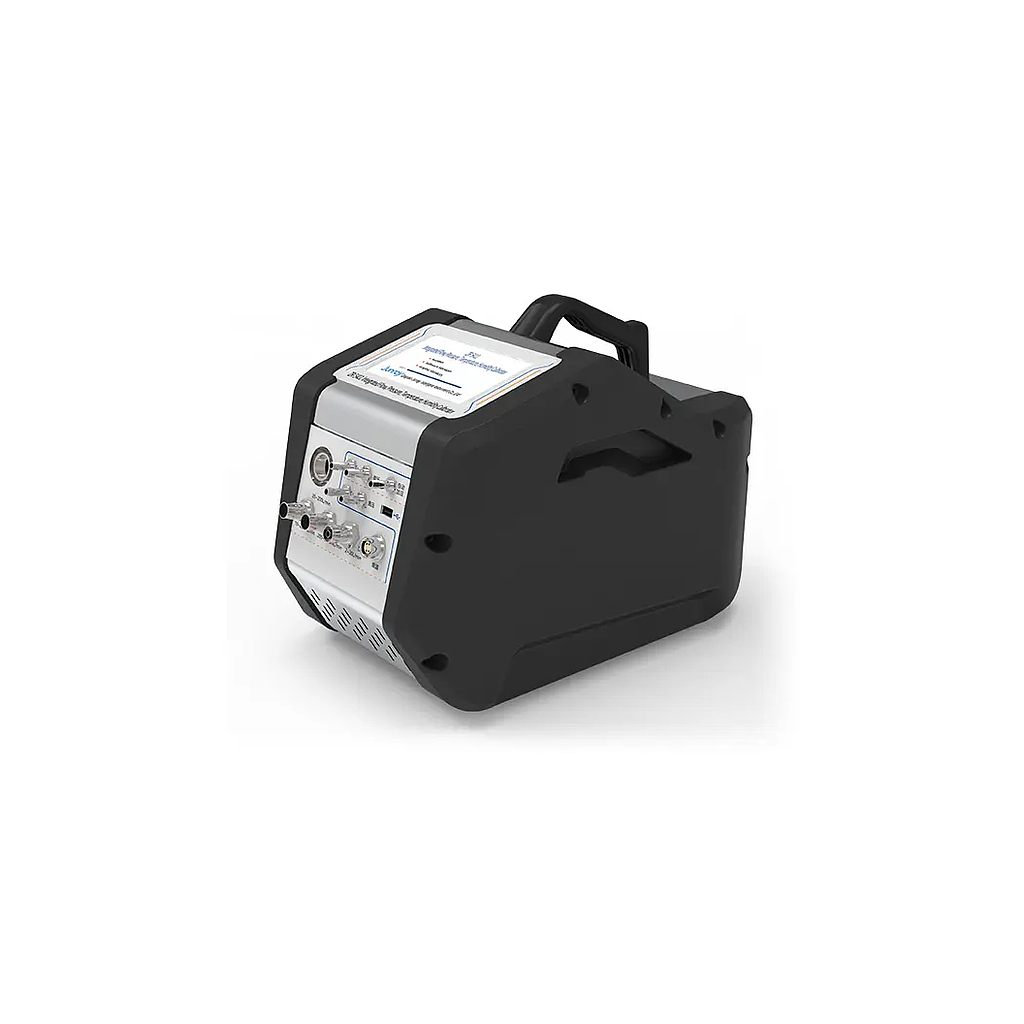
The Junray ZR-5410A Portable Multi-function Calibrator is a practical example for users handling varied sampler types across a wide flow span, from low milliliter-per-minute measurement up to high-flow applications. The Junray ZR-5411 Integrated Flow, Pressure, Temperature, Humidity Calibrator extends the concept with broader integrated parameter checking, making it suitable for users who want one portable platform for multiple environmental sampling variables.
How to choose the right calibration equipment
Selection should begin with the sampler itself. Review the normal operating flow range, the media being sampled, and whether the work is performed indoors, in the field, or at industrial sites. For example, a portable instrument with battery operation and onboard data storage can be valuable when calibration must be performed across multiple locations without a permanent workstation.
It is also important to consider which parameters must be verified in one session. Some users only need flow confirmation, while others require combined checks for pressure, temperature, and humidity. Choosing an instrument with the right balance of range, portability, and data handling can simplify maintenance planning and reduce the need to carry separate devices.
Benefits of integrated portable calibrators
Portable integrated calibrators can help standardize field service procedures. Instead of switching between multiple instruments, technicians can complete a larger portion of the calibration process with one device, which supports faster setup and more consistent documentation. This is particularly useful in environmental monitoring programs and industrial inspection work where time on site may be limited.
Another advantage is better traceability of measured values. Instruments that support stored records make it easier to retain calibration data for review, trend monitoring, or quality documentation. Where temperature-specific verification is a separate priority in your maintenance program, you may also want to review dedicated temperature calibrators for comparison.
Applications across environmental and industrial workflows
This category is relevant to organizations involved in air sampling, particulate monitoring, emissions-related checks, occupational hygiene, and environmental compliance work. In these settings, the objective is not simply to confirm that a sampler turns on, but to verify that it operates at the intended conditions throughout the sampling process.
Calibration equipment for gas and dust samplers is therefore part of a broader measurement assurance strategy. When flow and pressure are checked regularly, sampling systems are easier to maintain, discrepancies can be identified earlier, and data quality is better supported over time.
Finding a suitable option for your workflow
When comparing products in this category, look beyond headline range values and consider how the instrument will actually be used: the number of parameters checked, expected portability, runtime needs, and whether data logging is important for service records. A well-matched calibrator should fit the sampler fleet you already have and support the way your team performs verification in the field or in routine maintenance.
For organizations working with gas, dust, and particulate sampling, choosing the right calibration equipment helps build confidence in every measurement step. Reviewing the available Junray models in this category is a practical way to identify a solution aligned with your operating ranges, documentation needs, and calibration workflow.
-
-
-
-
-
-
-
-
-
-
-
-
-
-
-
-
-
-
-
-
-
-
-
-